

Fast, Reliable Crawl Space Encapsulation & Vapor Barrier Across Gardena
Crawl space encapsulation in Gardena typically runs $4,800-$9,500 for a full system, while a standalone vapor barrier installation on a 1,000-square-foot crawl space costs $1,800-$3,200. Most jobs in Gardena are completed in one to two days. If your 1950s bungalow smells musty every morning or your hardwood floors feel damp underfoot, the problem is almost certainly the exposed earth and degraded plastic sheeting under your house. Call (213) 782-8141 and a live person answers, 24/7, with real answers about what your Gardena crawl space needs.
Why Warmline Insulation Co. Is Gardena’s Preferred Crawl Space Encapsulation & Vapor Barrier Company
We’ve worked enough Gardena crawl spaces to know exactly what’s under these homes before we open the access door. The postwar stucco bungalows that define this city, built mostly between 1945 and 1965, sit on low crawlspace foundations with exposed earth and original vapor barriers that have long since failed. Our Crawl Space Encapsulation & Vapor Barrier team knows that a 1954 home near Denker Avenue will have different moisture behavior than a 1962 house over by Rowley Park, because the soil composition and drainage patterns shift block by block in Gardena.
Background-checked, uniformed technicians show up on time and explain the work in plain language before anything gets installed. Neil Ashford built this company on a simple standard: if the work isn’t right, we make it right. That’s the 90-Day Done Right Promise in writing, and it applies to every vapor barrier and encapsulation we install in Gardena.
Most Gardena jobs are completed in a single visit, and every call is answered by a live person, not a voicemail tree. We coordinate dispatch and scheduling from our Los Angeles office, but our crews work Gardena blocks every week, so response times are short and we know the local building quirks.
Our Crawl Space Encapsulation & Vapor Barrier Services in Gardena
Crawl Space Vapor Barrier
A vapor barrier is the foundation of any healthy Gardena crawl space. We use 12-mil reinforced polyethylene, which is thicker and more puncture-resistant than the 6-mil builder-grade plastic that was standard decades ago. In Gardena’s marine-layer humidity, that thickness matters because the material has to hold up against damp soil, plumbing penetrations, and occasional worker traffic during future maintenance. We tape every seam, run the barrier up the foundation walls, and mechanically fasten it so it doesn’t shift.
Crawl Space Encapsulation
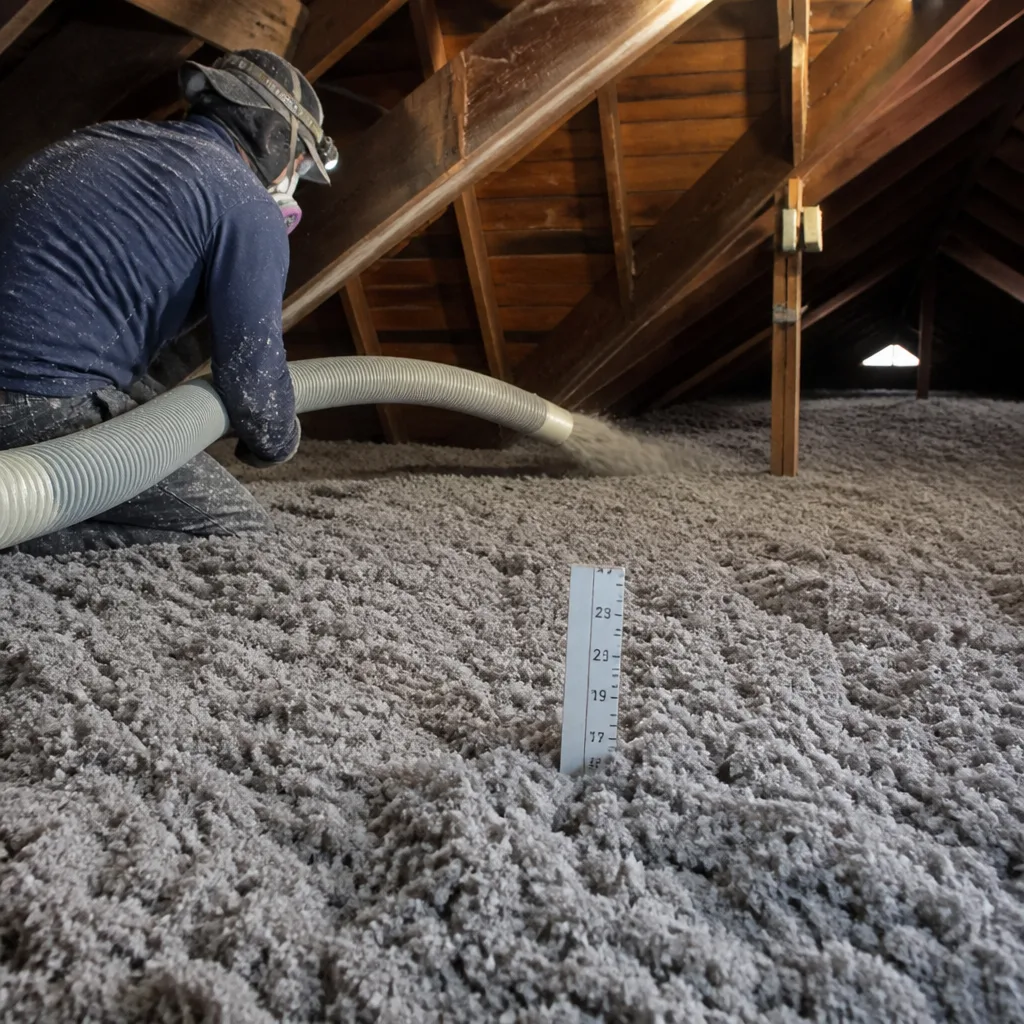
Full encapsulation goes further than a vapor barrier. We seal the entire crawl space: barrier on the floor and walls, sealed rim-joist bays, closed or conditioned venting, and often a dehumidifier sized to your square footage. For Gardena homes near the marine layer’s inland edge, where the morning overcast pushes humidity into every unsealed cavity, encapsulation is frequently the only real fix. We’ve measured standing humidity above 75% in some Gardena crawl spaces, and after encapsulation those numbers come down below 55%, which is the threshold where mold and rot stop thriving.
Crawl Space Insulation
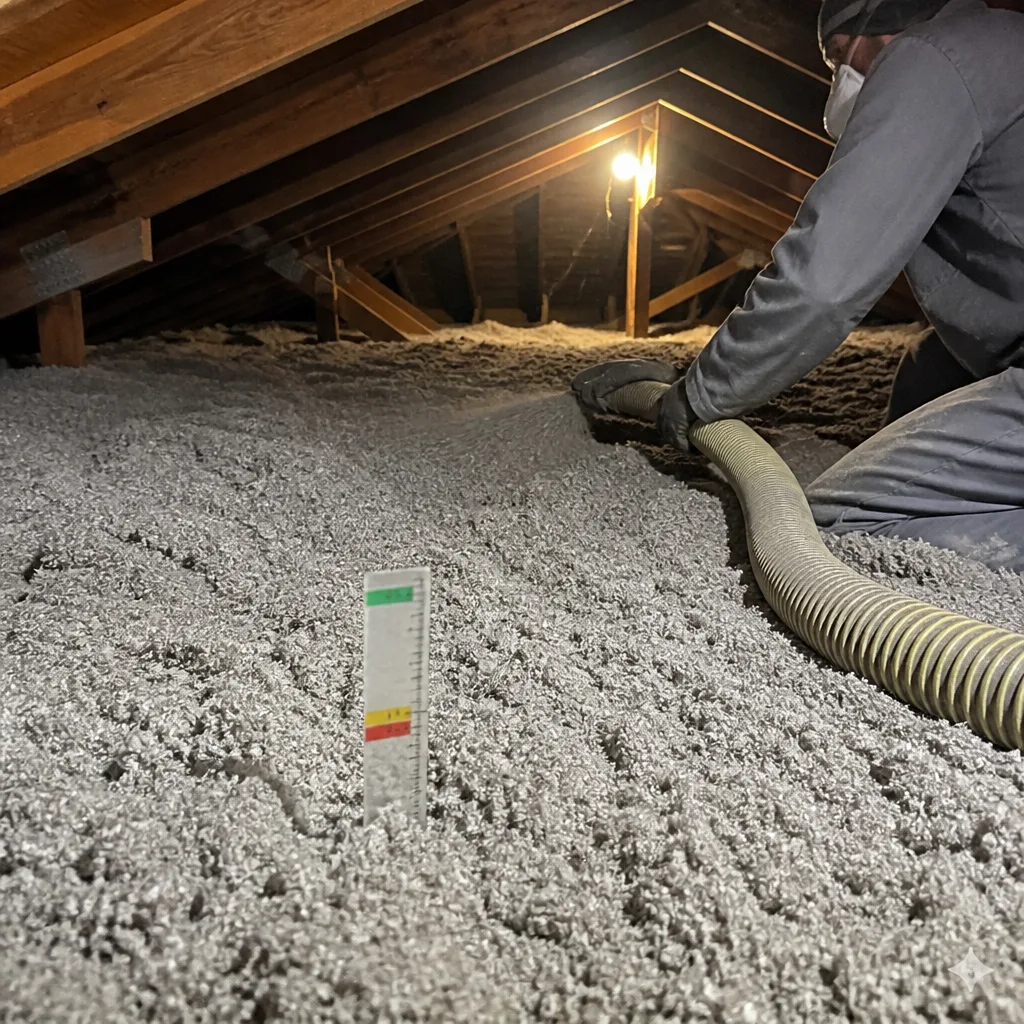
Once the moisture is controlled, insulation does its job properly. In older Gardena bungalows, the original fiberglass batts hung between floor joists are often sagging or damp, which destroys their R-value. We remove and replace that insulation with closed-cell foam board or spray foam on the foundation walls, keeping the floor cavity clean and dry. This approach also stops the drafty-floor complaint that so many Gardena homeowners in 900-1,400 sq ft postwar homes deal with every winter when nights dip into the low 40s.
Crawl Space Moisture Control
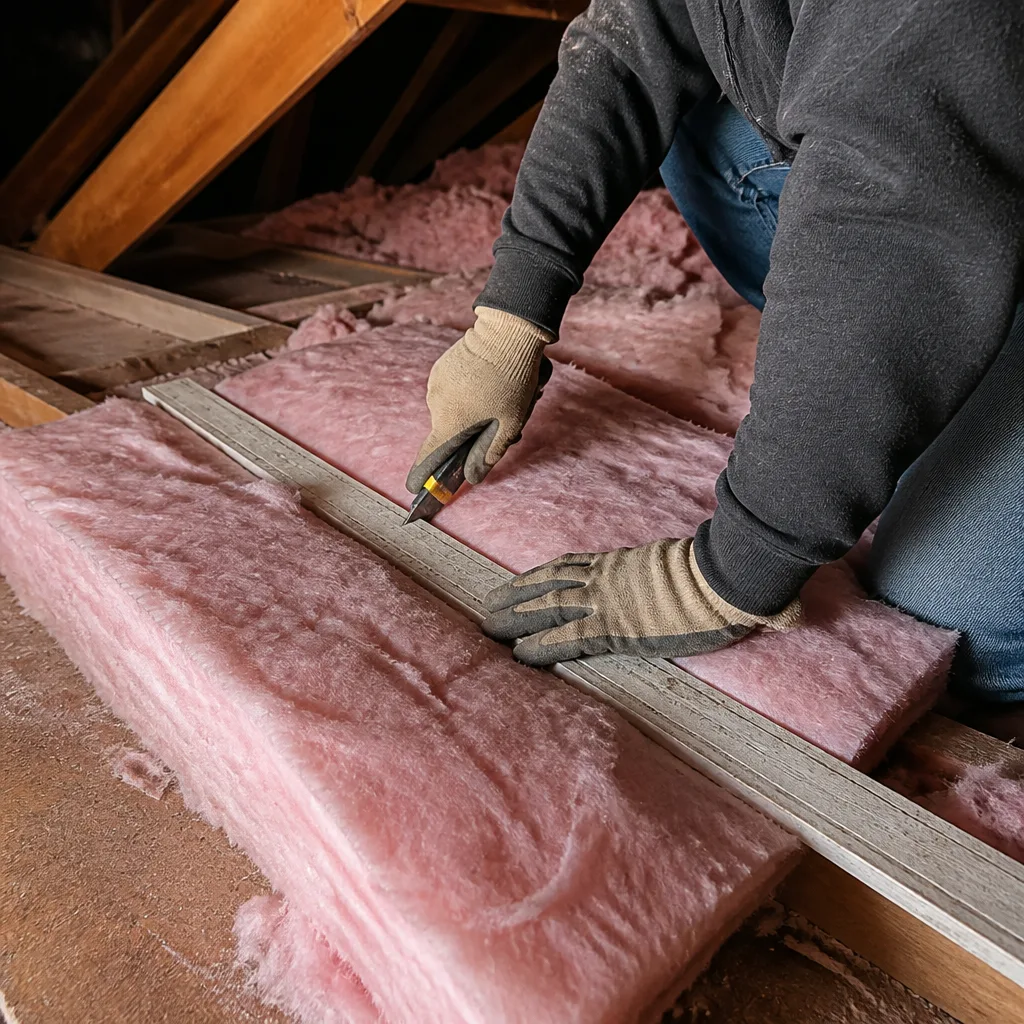
Moisture control is the diagnostic umbrella that ties everything together. We inspect for standing water, drainage issues, plumbing leaks, unsealed penetrations, and condensation on ductwork. In Gardena, where the marine layer cycles humidity through open crawlspace vents nightly, condensation on cooler surfaces is common. Fixing it requires more than plastic-it means understanding how water moves under your specific house and putting barriers, sealing, and ventilation in the right places.
Crawl Space Cleanout
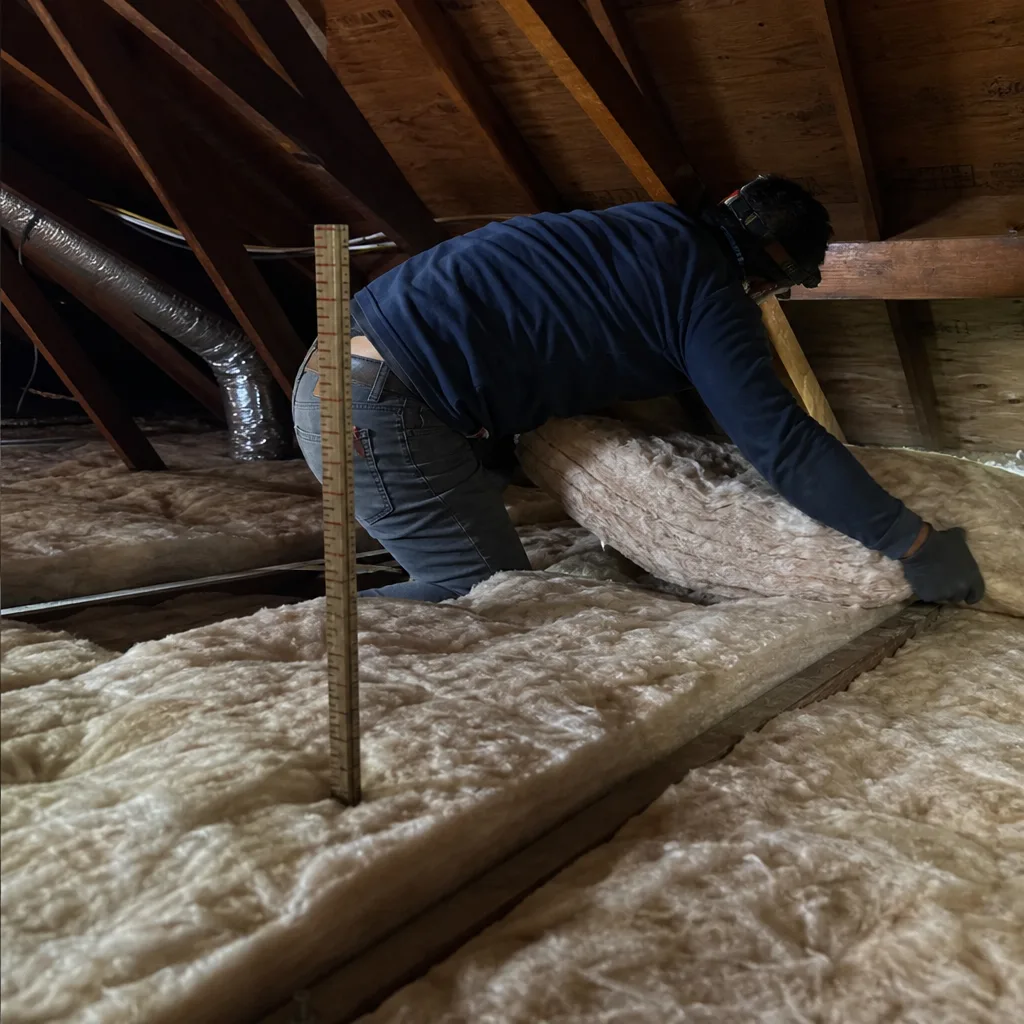
Before any barrier goes down, the crawl space has to be clean. We remove old degraded plastic sheeting, construction debris, rodent droppings, and anything else that’s accumulated over decades. Many Gardena crawl spaces have never been touched since the house was built, so this step matters more than most people expect. A clean, dry floor surface is what lets the new vapor barrier perform for decades instead of years.
What happens when you call
- 1
A real person answersNo phone trees - you reach a local pro.
- 2
You get an upfront price rangeHonest numbers before anyone is dispatched.
- 3
A background-checked tech heads outLicensed & insured, dispatched right away.
- 4
You approve before work beginsNothing starts until you say go.
Trusted Brands We Service in Gardena
We install materials from Johns Manville, Knauf, and CertainTeed, because these are the insulation and moisture-control products that hold up under real crawlspace conditions. The 12-mil reinforced vapor barriers we use are commercial-grade, not the thin plastic you’d find at a big-box store. For Gardena customers, that means we’re not installing something that will need replacement in five years. We stock common materials for these older South Bay homes, so most jobs don’t wait on special orders.
Common Crawl Space Encapsulation & Vapor Barrier Problems We See in Gardena Homes
- Degraded original vapor barrier: On a 1954 stucco bungalow near Denker Avenue, our crew found the original black plastic reduced to brittle, overlapping shards that barely covered half the exposed earth. That’s typical in Gardena, where decades of marine-layer humidity have broken down whatever 6-mil sheeting was installed when the house was built.
- Damp rise into floor joists and subfloor: When moisture cycles through exposed earth and hits cooler floor joists, it condenses and soaks the wood. We regularly see joists in Gardena crawl spaces with visible damp staining and early rot that the homeowner never noticed because the musty smell was blamed on the house’s age.
- Sagging, moisture-wicked insulation: In homes built before California’s 1978 Title 24 energy code mandated insulation minimums, the original batts (if any existed at all) have often wicked moisture from the crawlspace air and pulled away from the subfloor. That leaves the floors above uninsulated and the batting itself a mold host.
- Open venting and unsealed penetrations: Gardena’s morning overcast doesn’t stay outside; it moves into open crawlspace vents and plumbing chases, carrying damp air into the floor cavity. Many of these older homes have no sealing around plumbing penetrations at all, which is how the musty smell travels from the crawl space into the living room.
Why Gardena’s Housing Stock Makes Crawl Space Work Different Here
Gardena was almost entirely built out between the late 1940s and mid-1960s, before California’s Title 24 energy code existed. That means a large share of the city’s stucco-over-wood-frame bungalows were constructed with no wall insulation whatsoever and only token attic coverage, and their crawl spaces were never designed with vapor management in mind. This makes Gardena one of the densest concentrations of retrofit-eligible pre-insulation-code single-family homes in the South Bay. But here’s the part most people miss: those same uninsulated cavities, sitting at the inland fringe of the marine layer, accumulate moisture in ways that coastal cities like Manhattan Beach or inland cities like Hawthorne don’t experience in quite the same way. The morning overcast that burns off by noon near the beach lingers longer in Gardena, and the humidity it leaves behind settles into every unsealed crawlspace vent and exposed earth floor.
In practice, this means the vapor barrier under a Gardena home isn’t a comfort upgrade. It’s a structural repair, because the moisture cycling through the crawlspace has been quietly damaging the floor assembly for 60 or 70 years. The original hardwood subfloors in these bungalows are often in better shape than you’d expect, but the underside has been absorbing damp air for decades. Homeowners who address it early save themselves the cost of joist repair or subfloor replacement down the line.
Pricing for Crawl Space Encapsulation & Vapor Barrier in Gardena, CA
Here’s what you can expect to pay in Gardena’s market for the most common crawl space projects:
| Service | Typical Gardena Range |
|---|---|
| Vapor barrier only (12-mil, seams taped) | $1,800-$3,200 |
| Full encapsulation (barrier, rim joists, vent sealing) | $4,800-$9,500 |
| Crawl space insulation (foam board or spray foam) | $2,200-$5,000 |
| Moisture control + dehumidifier install | $1,500-$3,800 |
| Crawl space cleanout (debris removal, old plastic) | $450-$1,200 |
Square footage, access height, existing drainage issues, and whether you need a dehumidifier all move the final number. Estimates are free. Call (213) 782-8141 and we’ll give you a straight price for your Gardena home, not a range that changes after the work starts.
We Also Serve Cities Near Gardena
Our crews work throughout the South Bay, including Gardena and its neighboring communities. If you’re in Lawndale, Hawthorne, Manhattan Beach, or Hermosa Beach, the same background-checked teams and 90-Day Done Right Promise apply. Crawl space conditions shift block by block across the South Bay, but our moisture-control approach doesn’t change: find the water, stop the water, seal the space.
Serving Gardena, CA - Our Local Coverage Area
We’re based in the Gardena area and know this community well. Use the map below to see our service coverage - if you’re nearby, we can almost certainly help.
FAQs - Crawl Space Encapsulation & Vapor Barrier in Gardena
The musty smell comes from exposed earth and degraded vapor barrier plastic releasing moisture into the crawlspace air, which then rises into your living space. Ventilating doesn’t fix it because Gardena’s morning marine layer pushes damp air in through those same vents faster than it can dry out. The fix is a sealed 12-mil vapor barrier over the earth, sealed rim joists, and often a dehumidifier. Call (213) 782-8141 and we’ll tell you exactly what’s happening under your specific house.
You can, but you shouldn’t. The old plastic underneath will continue to trap moisture against the earth, and any mold or debris already there will stay active under the new barrier. We remove the old sheeting entirely, clean the surface, and install fresh barrier with taped seams. It’s more work up front, but it’s the difference between a fix that lasts 20 years and one that fails again in five.
If you have standing water, visible mold on joists, or consistent humidity readings above 60%, you need encapsulation, not just a barrier. A vapor barrier alone stops ground moisture but doesn’t address the damp air coming through open vents and rim joist gaps. For Gardena’s marine-layer humidity, most older homes with open venting end up needing at least partial encapsulation: sealed vents, rim joists closed off, and mechanical dehumidification.
Yes, and it’s noticeable. When the crawlspace air is damp, it cools your floor from below and makes the whole house feel drafty even with the heat on. Once the moisture is controlled and the floor cavity is dry, the floors hold warmth better and the house stops feeling cold in the winter months when Gardena nights dip into the low 40s. Many customers also pair the vapor barrier with crawl space insulation for a more complete fix.
You need at least 12-mil reinforced polyethylene in Gardena because the marine layer keeps crawlspace humidity elevated for more hours per day than inland cities. Thinner 6-mil barrier material degrades faster in sustained damp conditions, and it’s easier to puncture during installation or future maintenance. For a Gardena crawl space, we don’t install anything thinner than 12-mil, and we recommend reinforced material for any space that will see occasional foot traffic.
Get Your Gardena Crawl Space Fixed Right
You’ve lived with the musty smell or the cold floors long enough. The crawl space under your Gardena home is either part of the problem or part of the fix. Call (213) 782-8141 for a free estimate and a straight answer about what your house actually needs. No pressure, no jargon. A live person picks up, 24/7, and we’ll schedule your inspection for a time that works. Backed by the 90-Day Done Right Promise and installed by background-checked, uniformed technicians who know Gardena homes.
Written by Neil Ashford, Owner at Warmline Insulation Co., serving Gardena since 2011.